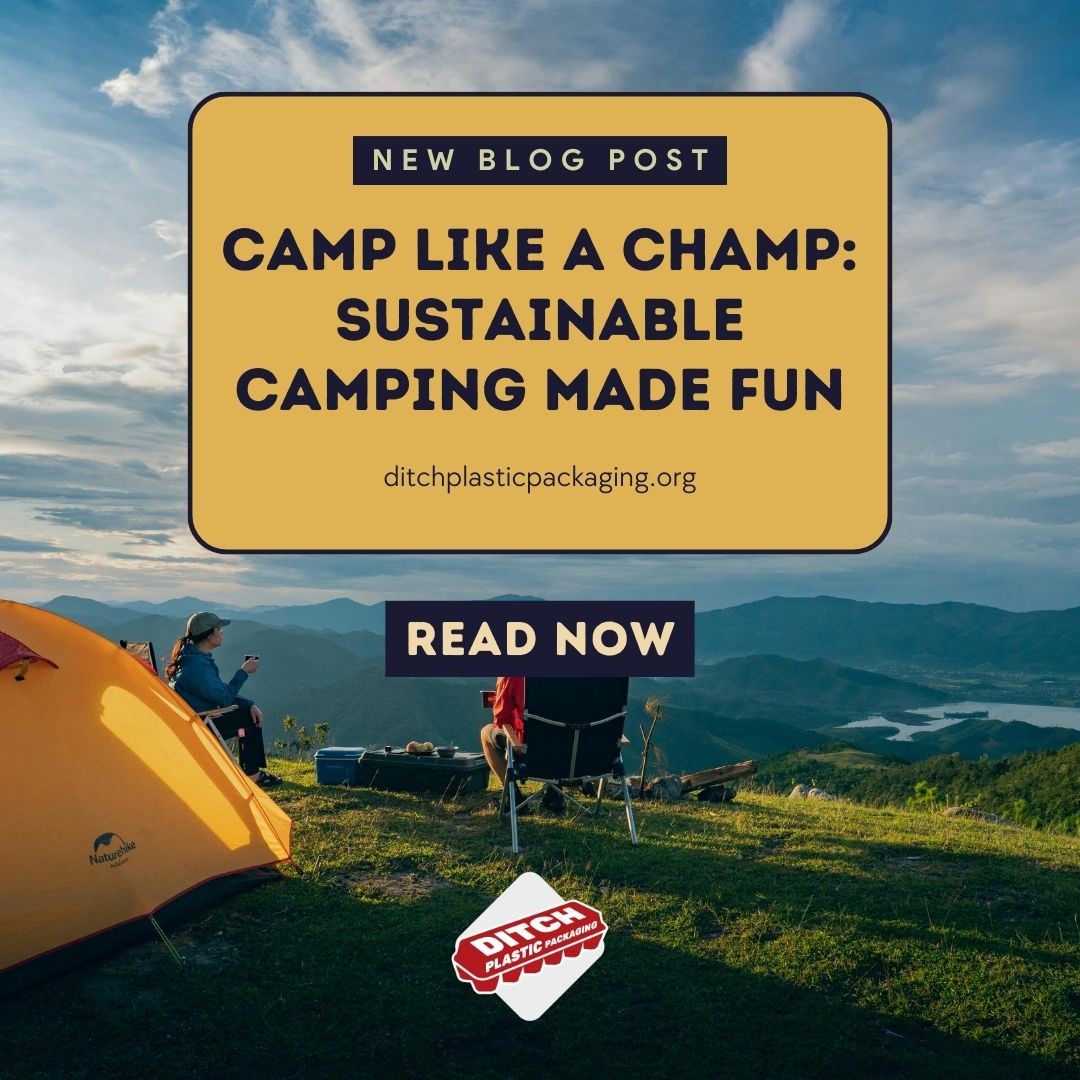
Pack the marshmallows and rev up the RV, camping season is officially here! At this time of year, there’s nothing better than loading up the car, leaving the emails behind, and heading somewhere green. When we leave for a camping trip, we’re usually trying to escape the noise and reconnect with nature. But too often, we end up bringing one part of modern life with us, plastic packaging that piles up quickly and doesn’t belong anywhere near the wild.
The good news? Sustainable camping doesn’t mean sacrificing convenience or fun.
How Sustainable Camping Makes a Difference
A single-family weekend away can generate a full bag of plastic rubbish if meals and supplies aren’t planned carefully. Reducing plastic while camping does more than help the environment. It simplifies packing, reduces clutter at your campsite, and teaches children that enjoying nature also means caring for it.
Wondering where to start? Here’s how to camp like a champ this summer.
1. Pack Reusables, Not Disposables
Disposable plates and cutlery might seem easier, but they create unnecessary waste and often take up just as much space.
Instead, pack a simple reusable kit:
- Durable plates, cups, and proper cutlery
- Refillable water bottles for everyone
- Reusable food containers
- Cloth napkins and tea towels
- A small washing-up kit with eco-friendly soap
Once you create a camping box that lives with your gear, it becomes automatic. No extra thought required!
2. Upgrade Your Snack Strategy
Pre-packaged snacks are a major source of campsite litter. A little preparation at home makes a noticeable difference.
Try:
- Portioning snacks into reusable tubs or jars
- Making homemade trail mix
- Packing sandwiches in beeswax wraps instead of cling film
- Choosing loose fruit instead of plastic-wrapped options
Less packaging means less waste blowing around your pitch, and less to carry home.
3. Shop with the Campsite in Mind
Sustainable camping starts before you leave the house. The packaging you choose at the shop determines what you’ll be managing outdoors.
Look for:
- Eggs in recyclable paper cartons instead of plastic
- Tinned or glass-packaged foods, where possible
- Larger refill packs rather than multiple small bottles
- Loose produce over pre-packed items
Recycled paper egg cartons for crafts or as fire starters. Choosing fibre-based, recyclable packaging reduces long-term waste without changing what you actually buy.
4. Make “Leave No Trace” Part of the Adventure
Camping is one of the best ways to teach children environmental responsibility because they can see the impact firsthand.
Make it engaging:
- Do a five-minute campsite sweep before leaving
- Challenge everyone to reduce the amount of trash created
- Bring a small bag to collect litter you find nearby
Framing sustainability as part of the adventure makes it feel empowering rather than restrictive.
5. Make “Leave No Trace” Part of the Adventure
Some swaps feel small, but over a full summer of trips, they add up significantly.
Consider replacing:
- Disposable BBQ trays with a reusable grill
- Wet wipes with washable cloths
- Bottled toiletries with solid shampoo and soap bars
- Single-use torches with rechargeable ones
Durable items often work better, last longer, and create far less waste over time.
A Summer to Camp Smarter
Summer is about slowing down and soaking up time together. It’s about showing children that the outdoors isn’t just somewhere to visit, it’s something to respect and protect.
Sustainable camping isn’t about perfection. It’s about small, intentional choices that keep beautiful places clean and clutter-free.
Share Your Sustainable Adventure!
Heading out on a camping trip this summer? Show us how you’re reducing plastic and camping responsibly with #DitchPlasticPackaging. Every thoughtful swap helps protect the places we love most!